Enhancing Diagnostic Testing for People with Telomere Biology Disorders
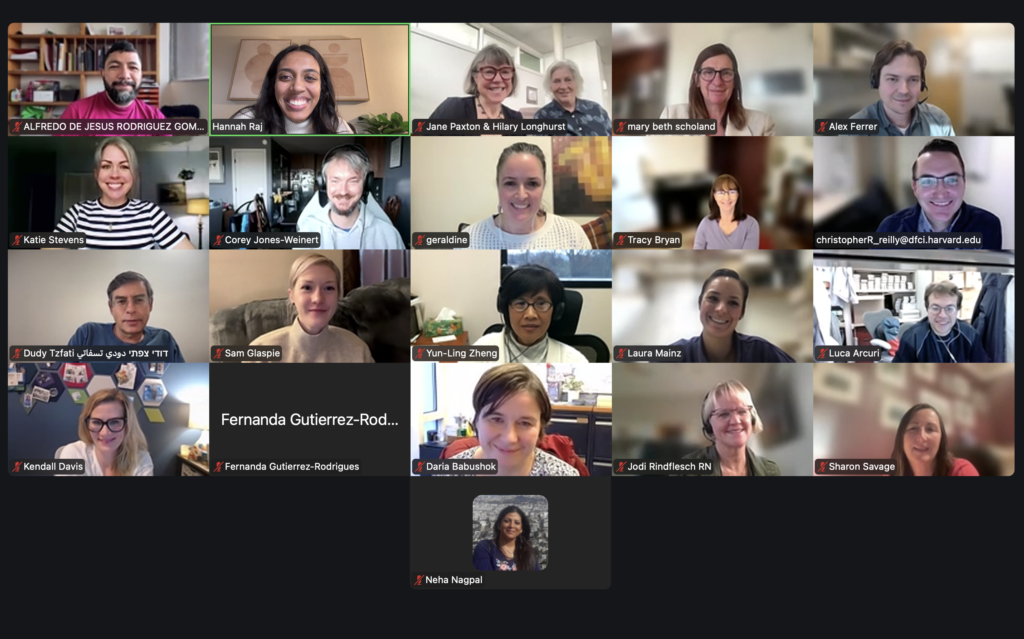
This roundtable, hosted by Team Telomere, examined strategies to improve the identification and diagnosis of individuals with Telomere Biology Disorders. Discussion focused on: (1) optimal diagnostic approaches, (2) existing barriers to timely diagnosis, and (3) feasible next steps to advance the current landscape.
Ideal diagnostic approach:
Roundtable participants described an ideal future in which diagnostic evaluation for TBDs is earlier, broader, and more systematic. In this model:
- clinicians across specialties would recognize indications for testing
- testing would be in standard clinical evaluations when TBD is suspected
- genetic testing and telomere length testing would be readily accessible
- diagnostic approaches would be available globally rather than concentrated in limited areas or centers
- testing would be considered in at-risk individuals, not only those with advanced disease
Current barriers:
Several key obstacles to accurate and timely diagnosis were identified:
- availability of clinical telomere length testing with flow FISH
- geographic inequities in access, particularly outside the U.S. and Europe
- challenges in interpreting variants of uncertain significance
- inconsistent insurance coverage and out-of-pocket cost concerns
- insufficient clinician awareness of TBDs and when to test
Proposed next steps:
The group outlined practical actions that could be taken in the near term, including:
- expanding access to telomere testing or validating alternative methods
- developing concise consensus statements and clinician guidance tools
- increasing physician and trainee education across relevant specialties
- strengthening partnerships to reduce cost and logistical barriers
- improving access to genetic counseling
- advancing the global testing capacity
Overall, the roundtable underscored that improving diagnostic pathways for TBDs is critical. While there are gaps, targeted efforts in education, access to testing, and standardized interpretation frameworks were identified as achievable and high-impact next steps.