
The Micro Grant Research Award from Team Telomere, Inc. supports research initiatives led by investigators who are driving scientific advancements in the field of Telomere Biology Disorders. We funded our inaugural Team Telomere Micro Grant Research Award in 2024.
The Micro Grant Research Award from Team Telomere is a single award of up to $10,000 total costs for an one-year project.
Team Telomere 2024 Micro Grant Research Award Recipient
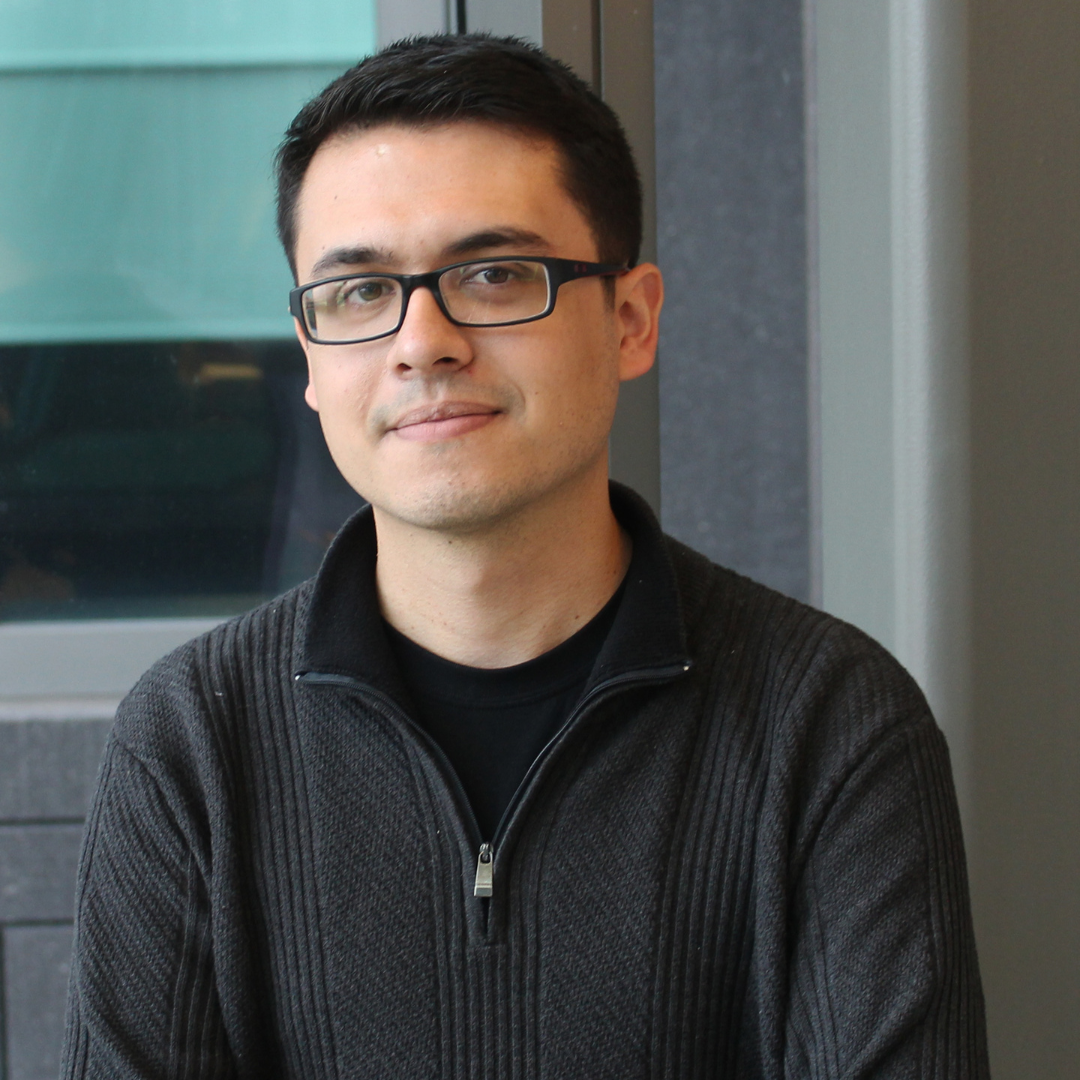
Investigator: Dr. Kelvin Cesar de Andrade, NIH/NCI
Project Title: Characterization of the TERT p.K1050N variant: a potential founder effect in Ashkenazi Jewish populations associated with telomere biology disorders
Lay Summary:
Dr. de Andrade’s study will evaluate if individuals of Ashkenazi Jewish ancestry carry a common genetic alteration associated with increased risk of developing telomere biology disorders. These results will form the foundation for future tailored clinical management strategies and specific genetic counseling recommendations for the Ashkenazi Jewish community.
Research Results Summary
Our project focused on understanding a rare genetic change in the TERT gene, called p.K1050N, which affects how our bodies maintain telomeres – the protective caps at the ends of chromosomes that keep our cells healthy. When telomeres become too short or don’t function properly, it can lead to a group of conditions called telomere biology disorders (TBDs). These disorders can cause serious health problems like bone marrow failure, lung disease, and liver problems.
We discovered that this TERT variant is especially common in people of Ashkenazi Jewish (ASH) ancestry and likely came from a single ancestor many generations ago. This is known as a founder effect. By analyzing the DNA of over 500,000 people from large research databases (like the UK Biobank and All of Us), we identified a specific genetic pattern shared by almost everyone who carries this variant. This strongly supports the idea that the p.K1050N variant originated in a common ancestor. In addition, we examined the mitochondrial DNA (passed down from mothers) and Y-chromosome markers (passed down from fathers) and found patterns consistent with known ASH ancestry, further supporting the historical context of this variant.
We also studied patients who carry the variant to see how it affects their health. One person who inherited the variant from both parents had severe symptoms from an early age. Others, who inherited it from only one parent, showed a mix of outcomes—some had symptoms like lung or liver disease, while others were healthy. Many of them had short telomeres, a hallmark of TBDs.
In the lab, we tested the impact of the variant on telomerase, the enzyme responsible for maintaining telomeres, in cells from patients with the variant. We found that this variant weakens telomerase activity, reduces its efficiency, and slows down cell growth. These functional changes may help explain the TBD-related manifestations observed.
These findings are important because they help doctors and researchers better understand who might be at risk for TBDs, particularly within the ASH community.